Tanzania, a country in Eastern Africa, far away from Japan.
For many people outside Africa, Tanzania may bring to mind
vast national parks, wildlife, the majestic Mount
Kilimanjaro, and the warm and gentle spirit of its
people.
However, the reality is that the conditions necessary for
everyone to live with security and stability are not yet
fully in place.
Structural Barriers to Maternal and Child Health
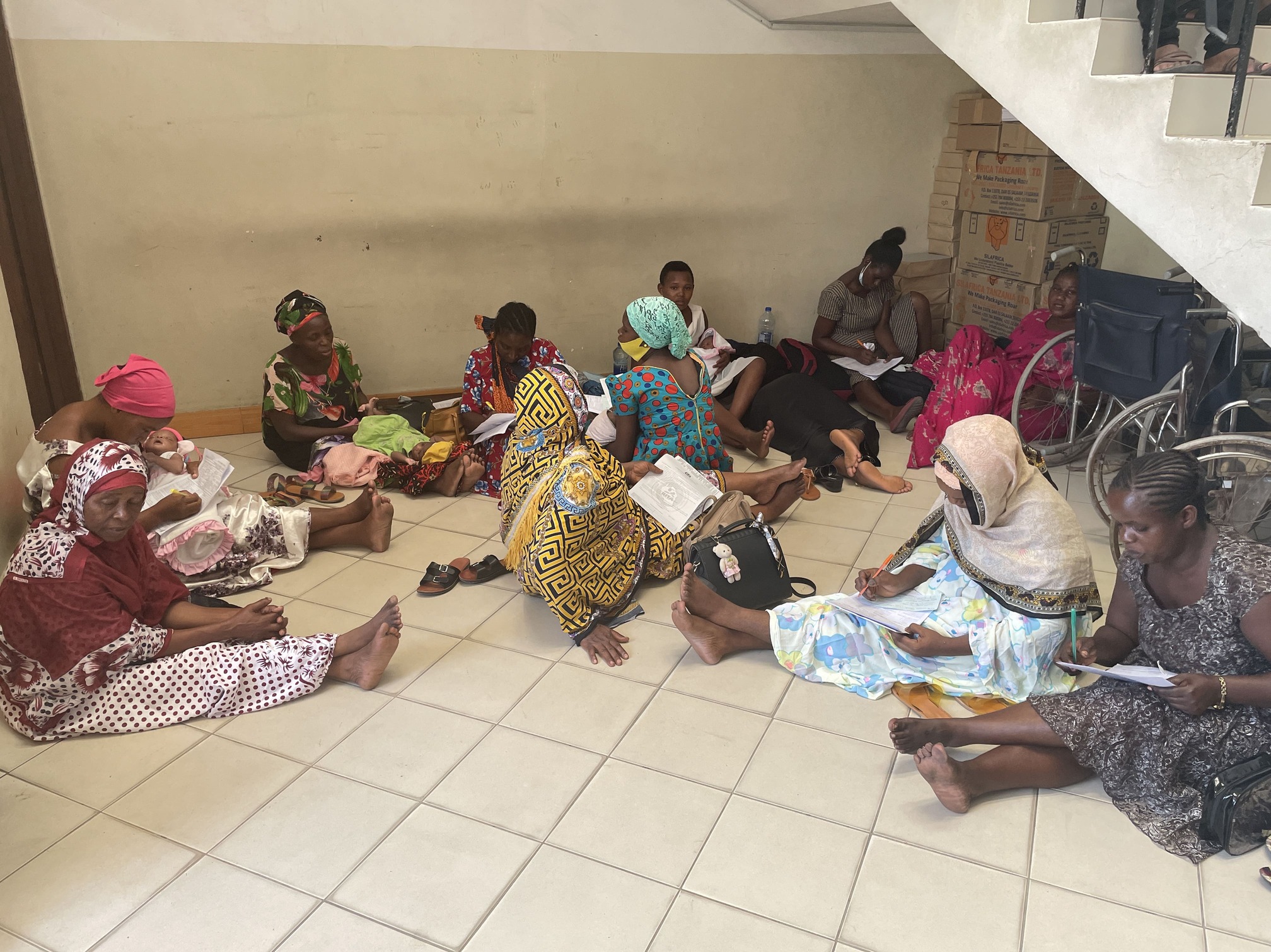
In Tanzania, maternal and infant mortality rates remain
high, and maternal and child health continues to be one of
the country’s serious social challenges. Compared to
developed countries, both maternal mortality and infant
mortality rates are significantly higher.
Many women face pregnancy, childbirth, and parenting while
carrying deep concerns and risks related to their own health
and that of their children.
Why, then, is it so difficult to protect maternal and child
health?
Challenges in Healthcare Quality and Access
In Tanzania, healthcare facilities and medical professionals are concentrated in urban areas, making it difficult for many pregnant women to receive adequate examinations and consultations. Shortages of medical equipment and essential medicines further limit access to necessary care, and many women are unable to reach the services they need.
Infrastructure
Constraints
Limited transportation options and the cost of travel place a significant burden on those seeking medical care. In many rural areas, medical facilities are located far from where people live, and reaching them can require long journeys or unreliable transportation. Distance and mobility barriers often lead to delays in seeking care and sometimes prevent women from seeking medical attention at all.
The Impact of Education, Culture, and Local Practices
Opportunities to access accurate information about pregnancy, childbirth, and parenting remain limited, making it challenging to recognize physical changes or warning signs and respond appropriately. In some cases, distrust of medical institutions or deeply rooted social practices may also discourage women from seeking care.
As these factors overlap, cases that could otherwise be prevented or addressed at an early stage often become severe before medical care is finally sought.
Tanzania’s population is projected to continue growing, and the number of pregnant women and children is expected to increase accordingly.
At the same time, the healthcare and social systems needed to support mothers and children are unlikely to expand at the same pace, and it will take time for these structures to fully meet the growing demand.
A New Approach Enabled by Digital Technology
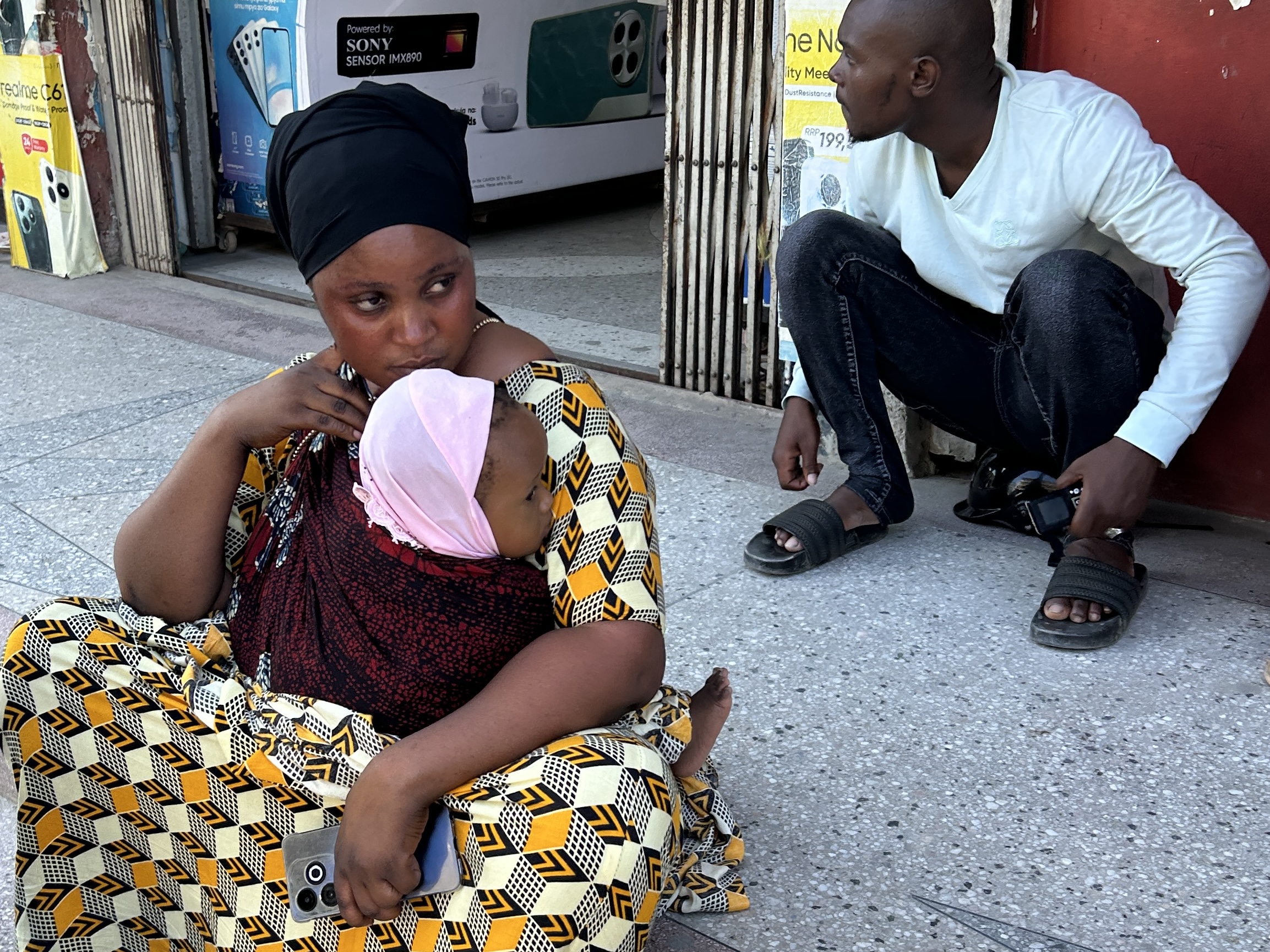
At the same time, while these challenges persist, smartphone usage is rapidly expanding in Tanzania.
Many women who are pregnant or raising young children use smartphones in their daily lives, and digital communication has become an integral part of everyday life. Mobile payments, ride-hailing services, and other digital solutions are also increasingly common.
These changes in the digital environment create new possibilities for innovative forms of support in the field of maternal and child health.
Building the Future for Mothers Through Technology
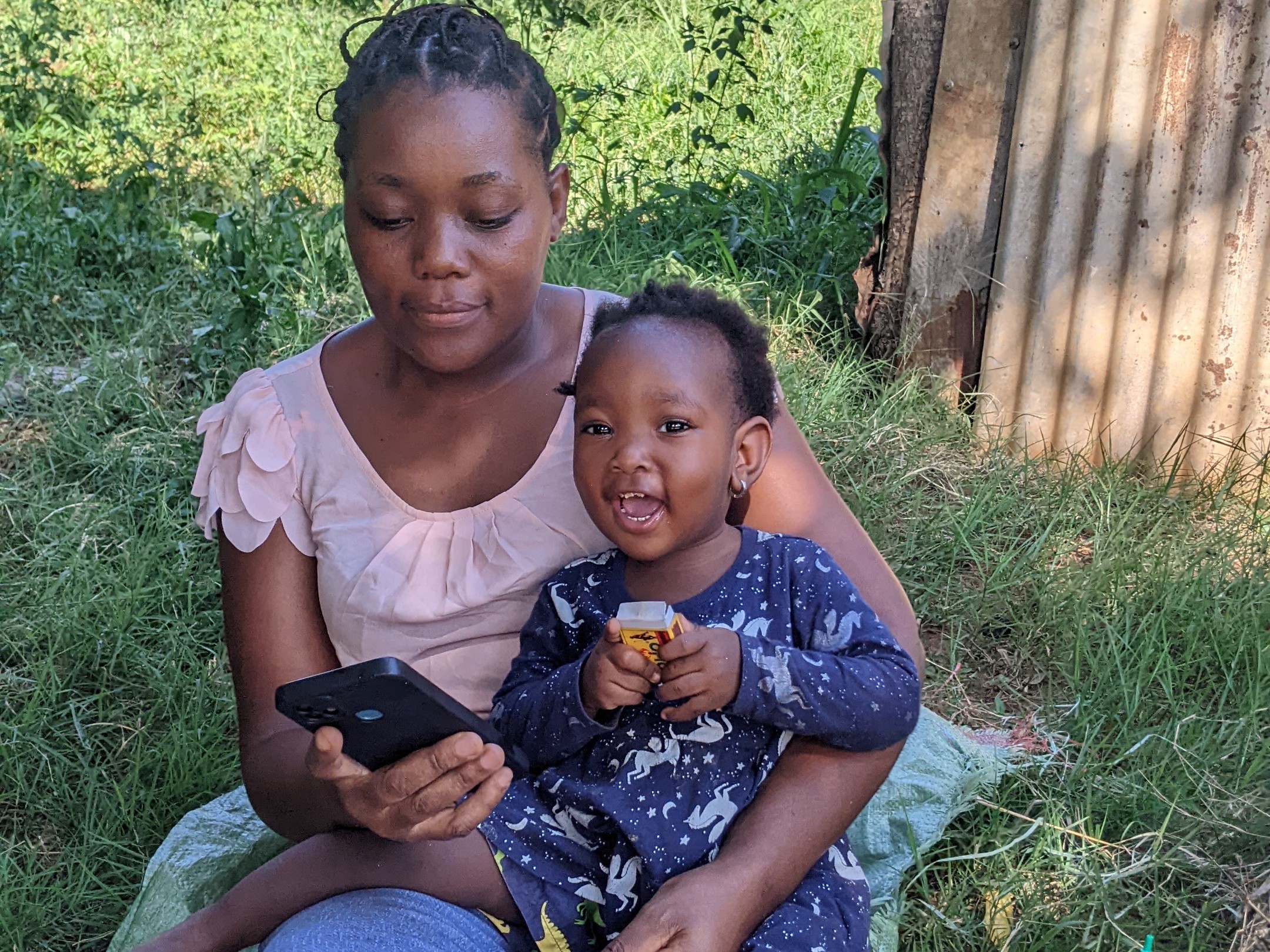
Grounded in Tanzania’s social context, MomNest works to build a system where mothers are not left isolated and can access “awareness” and “connection” when they need it most.
By harnessing the power of digital technology, we are advancing a new approach to addressing the challenges of maternal and child health.
For more details on our activities, click here → WHAT WE DO
Support
Our Work
Learn more about individual supporters and corporate sponsors
Click the button below for details
We provide information on ways to support MomNest
through donations.
Whether you are an individual, a company, or an
organization, you can choose how you would like to get
involved.
Support MomNest’s Work
In Tanzania, where access to healthcare and accurate
information is limited, MomNest is advancing initiatives
that empower mothers to make informed and appropriate
decisions.
Donations are one way to help sustain and expand this
work.
Thank you for supporting us!
